Escrow and pay on delivery are often presented as opposites. Both are attempts to solve the same concern: the buyer does not want to lose money, and the seller does not want to lose the item.
The safer choice depends on how the full transaction works, not only on when payment happens.
How ordinary pay on delivery works
In a basic pay-on-delivery arrangement, the seller sends the parcel and the buyer pays when it arrives. The seller may receive cash, a transfer or a payment through a courier.
This can reduce the buyer’s fear of paying a stranger in advance. It can also create problems. Buyers may place fake orders, refuse a parcel after the seller pays for delivery, or inspect the item under pressure at the door. Sellers may receive fake payment alerts or face disputes that were never recorded clearly.
Pay on delivery also does not automatically protect the buyer from a wrong, counterfeit or damaged item. The buyer may be told to pay first and complain later.
How escrow works
With escrow, the buyer pays before dispatch, but the seller does not receive the money immediately. The money remains held under the agreed release rules while the order is delivered and inspected.
This gives the seller confirmation that the buyer has committed the money. It gives the buyer a defined process for reporting a material problem before the payout is released.
Why TrustGap adds delivery visibility
TrustGap is not only a payment-holding service. It coordinates delivery for eligible deals, shows the delivery charge before payment, provides tracking updates and connects the delivery event to the inspection window.
The buyer receives a private PIN and gives it to the rider only after checking the item. The seller adds a packing note. If the item is refused or a problem is reported, the courier’s records, the deal description, the packing note and the buyer’s evidence can be reviewed together.
That is important because the payment event is only one part of an online order. A service can hold money and still know very little about what happened to the parcel. TrustGap is designed to make payment, delivery, handover, inspection and release visible in one workflow.
Comparison in plain language
With ordinary pay on delivery, the buyer may not pay until the parcel arrives, but the rules for inspection, rejection and refund can be unclear. With TrustGap, the payment is secured before dispatch, the seller receives a confirmed status, delivery is coordinated and the buyer has a published inspection and dispute process.
Neither model makes every purchase risk-free. Buyers should still check the seller and the deal. Sellers should still describe and pack the item accurately.
When should a buyer be careful?
Be cautious when a seller refuses to provide a clear item description, asks for a direct personal-account transfer, adds an unexpected delivery fee, refuses fresh evidence, uses extreme urgency or says that there is no remedy if the item is fake or damaged.
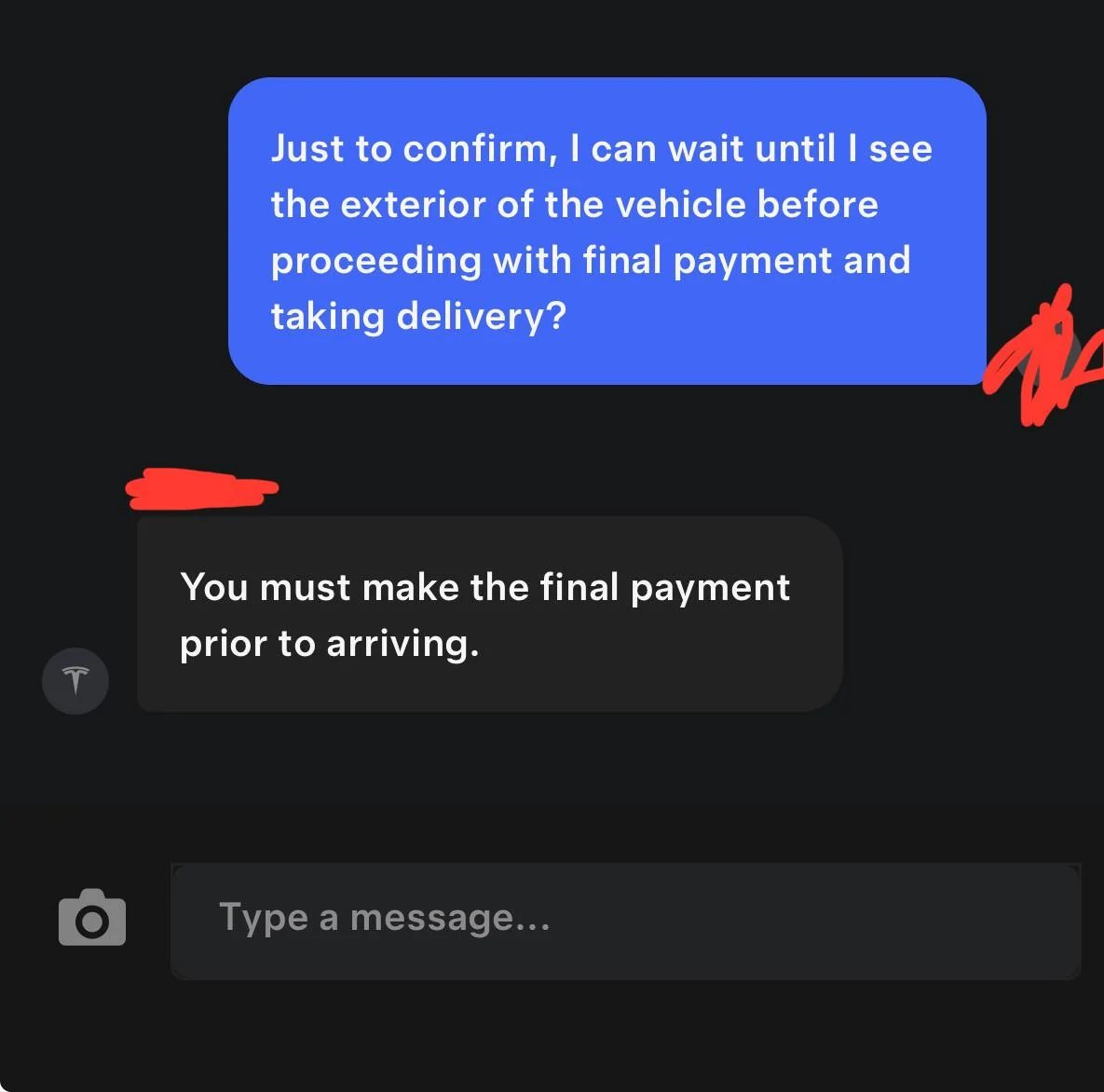
A buyer should also check who holds the money, who performs delivery, when the seller is paid, what starts the inspection window, how disputes are reviewed and where refunds go.
When should a seller be careful?
Do not dispatch because of a payment screenshot. Confirm the payment in the official system. Record the item’s condition, pack it carefully and use the delivery workflow. If the buyer raises a complaint, do not privately refund or accept an informal return before the transaction rules are clear.
The answer
Escrow is often safer than an unstructured pay-on-delivery arrangement because it commits the buyer’s payment before dispatch while delaying the seller’s payout until the agreed completion condition.
But the strongest protection is not escrow alone. It is escrow plus a clear deal record, coordinated delivery, visible tracking, controlled handover, an inspection window and a defined dispute process.